


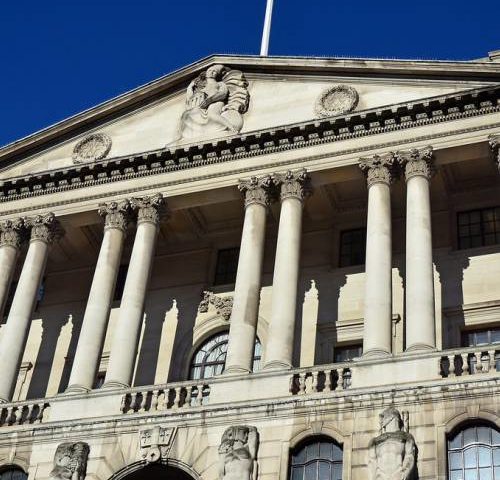
“Holding the interest rate at 3.75% is the common-sense call, given yesterday’s better-than-expected inflation data and falling oil prices after the USA and Iran signed a peace deal.
“The cost of a misstep is far higher than it was in the 2022 inflation crisis. Back then, the Bank was tightening into an overheating post-pandemic economy. Today, growth is weak, the labour market is loosening, and the interest rate is already restrictive.
“If the ceasefire holds and the Strait of Hormuz fully reopens, falling oil prices should help offset the inflation spike expected later this year.
“But caution is still needed – peace talks can quickly unravel, and major reconstruction is needed to repair damaged infrastructure and supply chains.
“Our research shows labour costs remain the top pressure cited by firms since the employer NICs increase, and SMEs are increasingly turning to AI to protect margins and lift productivity. This structural shift will be decisive for growth and the labour market.
“Monetary policy alone cannot fix the economic picture. As our recent Delivering Growth report set out, every government decision needs to be measured against a single growth test: will it actually cause firms to invest, grow, or export more?”
More information on the Bank’s decision can be found here.