

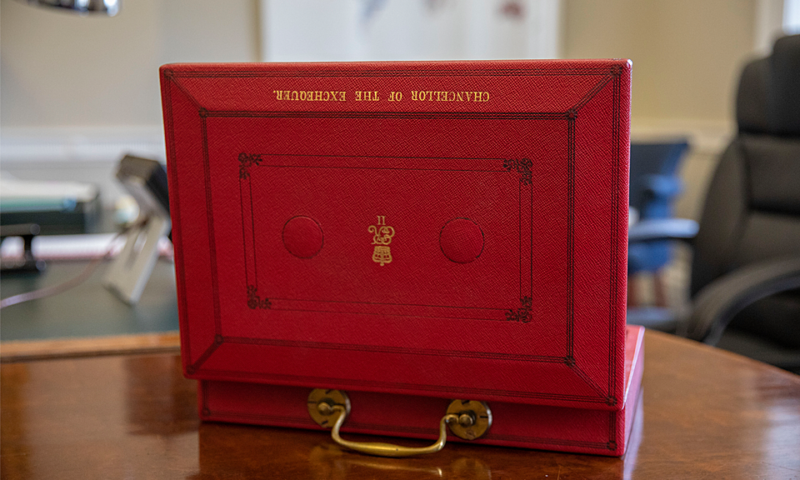
Chancellor of the Exchequer John Healey presented the Budget to the House of Commons yesterday. The main announcements are summarised below:
Key messages
The UK is delivering economic stability in an uncertain world, adhering to its fiscal rules and reducing borrowing over the forecast period. It is expected to have the lowest deficit in the G7 by 2029. The British economy remains resilient and recorded the highest growth rate in the G7 in the first half of 2026. Growth is forecast at 1.2% in 2026, 1% in 2027 and 1.6% in 2028, in line with IMF projections.
The UK is backing artificial intelligence. The Budget supports promising British AI businesses and strengthens the UK’s sovereign AI capabilities by ensuring that critical data centres are connected to the electricity grid in line with their needs.
The Budget strengthens the UK’s energy security. It reforms the electricity market to reduce costs and cut energy bills by 25% for more than 10,000 businesses from April 2027.
The Budget fully funds increased defence investment, reinforces the UK’s commitments to NATO and provides an additional £10 billion (€11.9 billion) in economic and military support to Ukraine.
The Budget sets out a roadmap for fiscal devolution, delivering the largest transfer of powers and resources in a generation and giving local authorities greater responsibility for driving growth in their communities.
The Chancellor’s main announcements are set out below:
Fiscal discipline
The Budget is committed to fiscal discipline, including compliance with the stability and investment rules. The stability rule is forecast to be met with a £15 billion (€17.8 billion) headroom in 2029–30, meaning that day-to-day spending will be fully funded and borrowing reserved for investment. This headroom is £9 billion (€10.7 billion) lower than in March, reflecting higher debt interest costs linked to the conflict in the Middle East. It is expected to increase to £22 billion (€26.2 billion) in 2030–31. The IMF has highlighted the UK’s fiscal consolidation compared with other countries. The UK has recorded the largest reduction in the deficit among G20 countries this year and is on track to have the lowest level of debt in the G7 from 2029.
Supporting businesses and growth across the UK
- Energy bills: The Government has announced a £100 (€119) energy rebate for 20 million households and extended the reduction in VAT on electricity bills until July 2027. A reform of the energy sector is planned for next year to deliver long-term cost reductions.
- Wages: The National Living Wage will rise by 3.9% in April 2027 to £13.21 (€15.72) per hour, representing an additional £910 (€1,083) in gross annual earnings for full-time employees.
- Tariffs: Tariffs will be removed from more than 100 products, helping to reduce import costs for everyday goods. Tariff reductions will also apply to kerosene and fertilisers, supporting households and farmers facing higher costs.
- Fuel duty: The 5p cut in fuel duty will be extended for a further six months.
- Housing: The Government aims to make home ownership more accessible for 70,000 households. The Budget provides an additional £1.5 billion (€1.8 billion) for social and affordable housing, bringing total capital investment over the next ten years to more than £40 billion (€47.6 billion).
- Businesses: All retail, hospitality and leisure businesses in England will see their business rates frozen in real terms, reduced or abolished. The Budget also supports wealth creation by strengthening the UK’s tax framework for founders and their businesses.
- Artificial intelligence: The Budget introduces the Government’s most ambitious AI package to date, investing £700 million (€833 million) to address AI-related risks while unlocking its potential to improve living standards, strengthen national security and support workers across the country.
- Investment: The Government will provide clearer strategic direction, greater certainty and stronger accountability in sectors such as energy, transport, water and housing. Public investment will be used to unlock private capital, strengthen the UK’s strategic industries and create the conditions for businesses to invest and grow. The National Wealth Fund and the British Business Bank will receive an additional £20.4 billion (€24.3 billion), reinforcing the role of the Government’s two main public finance institutions in supporting reindustrialisation, regional growth and the UK’s strategic industries.
Devolution
The Budget sets out a roadmap for fiscal devolution, delivering the largest transfer of powers and resources in a generation and giving local authorities greater responsibility for driving growth in their communities. The Government plans to allow local and regional authorities to retain 100% of business rates revenue before the end of the decade, with mayors receiving a share of these revenues from 2027. These revenues will replace central government grants, giving local authorities greater control over the resources they raise. The Government will consult local authorities on the best way to implement these changes.
Taxation
The Budget rules out broad-based tax increases and protects most individuals and businesses. The Government will maintain a stable environment for investment, including its commitments under the Corporation Tax Roadmap, while retaining the lowest corporation tax rate in the G7. Any tax increases will be targeted and proportionate.
- The bank corporation tax surcharge will rise from 3% to 6% until March 2028.
- From October 2027, online marketplaces will be responsible for collecting VAT on eligible sales made by UK businesses using their platforms, as part of efforts to tackle tax evasion.
- From April 2027, tax rates on savings income and property income will increase by a further two percentage points across all tax bands. However, 84% of taxpayers will see no increase in their tax bill, and incentives to save will be maintained.
National security
In a more dangerous and uncertain world, the Budget fully funds increased defence investment, reinforces the UK’s NATO commitments and mobilises new sources of private and international financing.
- The Budget fully funds the £15 billion (€17.8 billion) Defence Investment Plan.
- Next year’s Spending Review will set out how the Government intends to meet its NATO commitment to increase defence spending to 3.5% of GDP by 2035, with a target of 3% by 2030.
- The Government will mobilise private and international funding to support its NATO objectives. The National Wealth Fund and the British Business Bank have committed to deploying up to £5 billion (€6 billion) over the next four years in defence, dual-use technologies and other sectors supporting national security, sovereign capabilities and resilience.
- The Government has also announced an additional £10 billion (€11.9 billion) in economic and military support for Ukraine.
A fairer society
The Budget strengthens the Government’s efforts to promote equality, protect the most vulnerable and ensure equal opportunities.
- Women and equality: An additional £55 million (€65.5 million) will be allocated over two years to tackle violence against women and girls, including through a new fund to prevent misogyny. The Budget also strengthens support for female entrepreneurs, doubling the British Business Bank’s commitments to women-led businesses and funds to £200 million (€238 million).
- Pay equality: The Government will go further in promoting pay transparency to reduce the gender pay gap and improve equality in career progression.
- Parental leave: From 2029, self-employed fathers and partners will be eligible for parental allowance for the first time, a measure expected to benefit more than 150,000 parents each year.
- Homelessness: An additional £432 million (€514 million) will be allocated to tackling homelessness and helping people sleeping rough access sustainable housing and support.
- Young people: The Government will strengthen support for young people entering employment, including through a job guarantee for eligible 18–24-year-olds and an additional £100 million (€119 million) to expand local apprenticeship services.
Further information
- John Healey’s speech: Budget 2026 speech – GOV.UK
- Full Budget documents: Budget 2026 in full – GOV.UK
- Macroeconomic and fiscal outlook from the Office for Budget Responsibility: Economic and fiscal outlook – October 2026